

inspiring curiosity to dig deeper
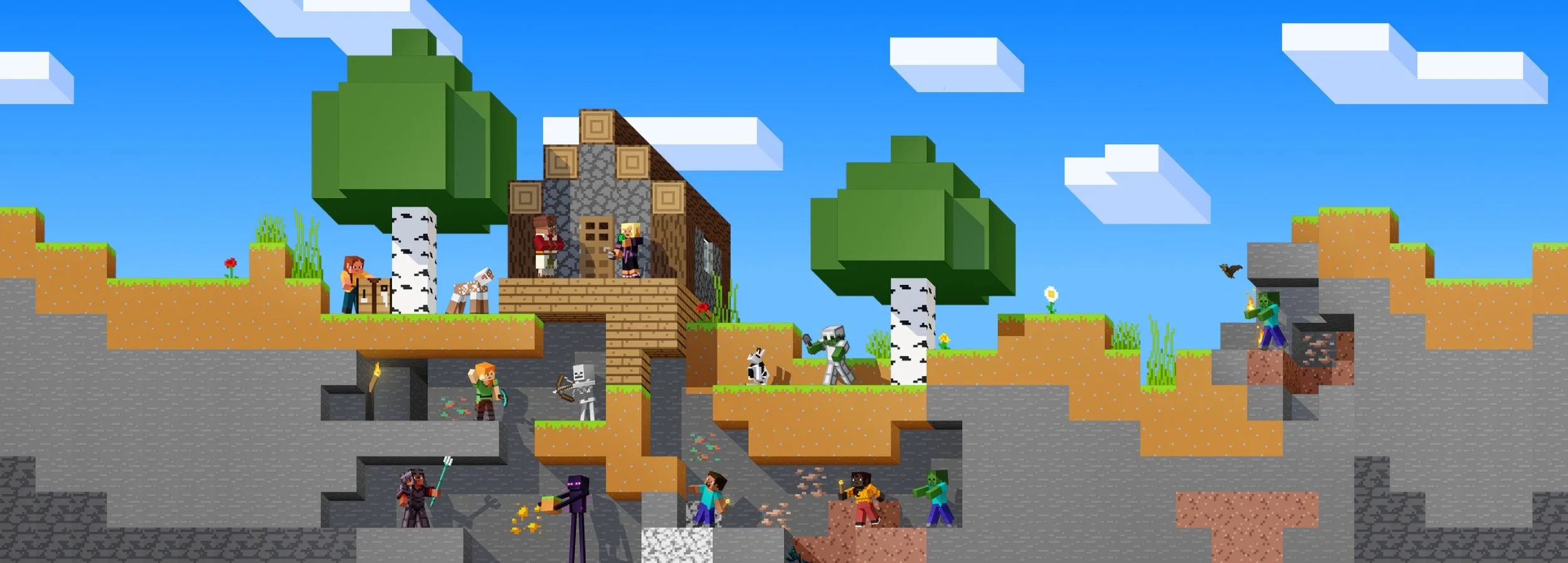
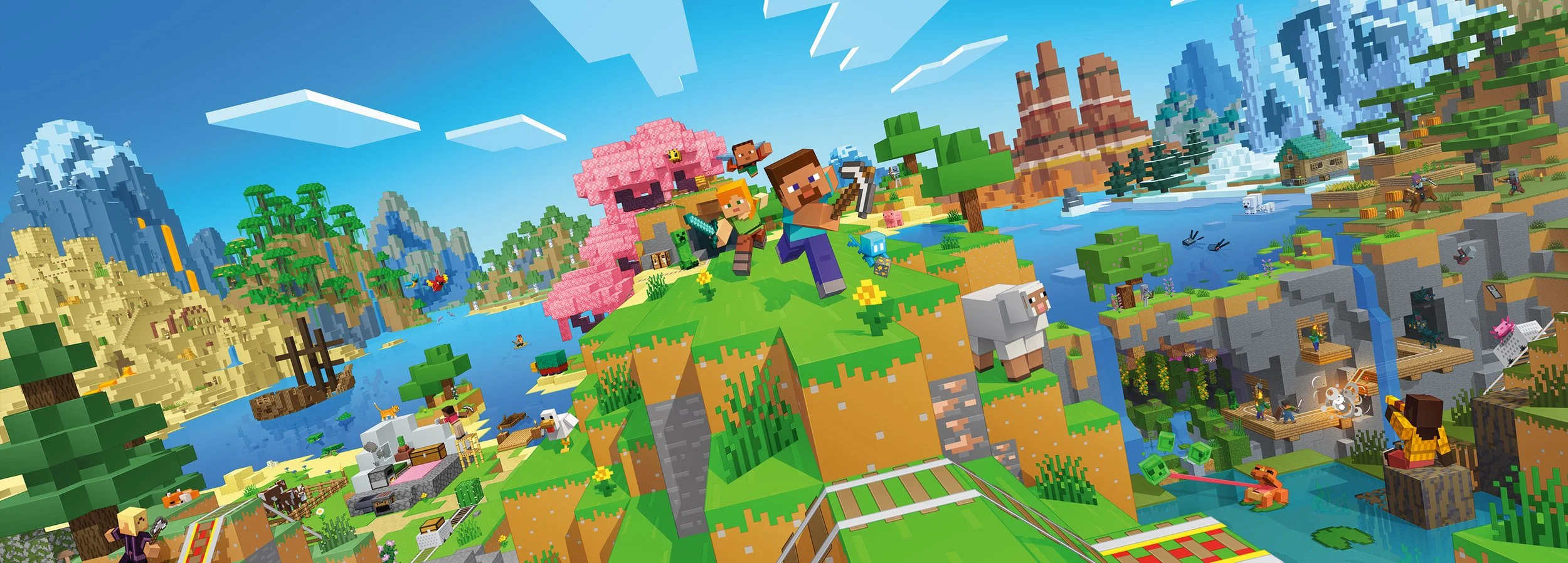
Minecraft invites players to explore. On Minecraft.net, though, only 10% of visitors reached halfway down the page. I wanted the opening scene to give them a reason to keep going.
My role combined UI/UX design with technical art. I designed the layered parallax experience and built its Blender rendering and asset pipeline, working with engineering, art direction, and technical art collaborators to bring it to the web.
project vision

immerse visitors within the Minecraft universe on our most globally accessible franchise surface, minecraft.net
from scene update to shippabble assets
I built a Blender pipeline that turned an updated 3D scene into a complete set of responsive web assets, named, organized, optimized, and packaged for delivery.
1 click · 10 seconds · 196 assets
Once the scene is ready, a single click renders and packages 196 assets in 10 seconds. That run covers animations, day and night, six layers at eight viewport sizes; a delivery that would take a traditional artist months, and block a concept like this from shipping.
Composition previews are part of the same workflow, so we can review the artwork before importing and publishing any files.
Procedural terrain, foliage, and texture controls let us try different versions of the world without rebuilding the scene.
one scene tailored to eight viewports
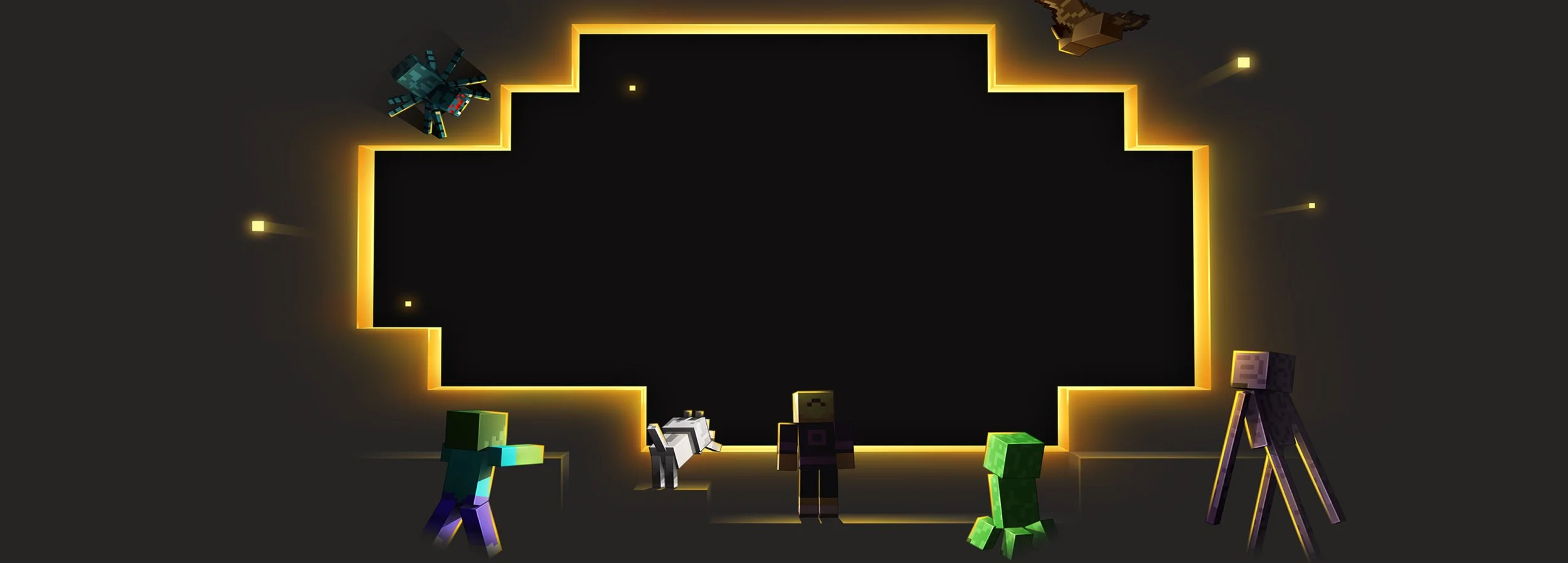
The compositor crops each layer to fit both the viewport and the artwork itself. Six layers at eight viewport sizes produces the 48 assets used by the responsive experience.
crop for the viewport
Width crops fit the composition to each device, from ultrawide desktops to small mobile screens, taking into account scaling and display density.
crop for the layer
Height crops follow the bounds of the sky, scenery, and foreground. This way we’re wasting no file size on simply transparent regions of assets.
build the controls, then shape the world
I built controls for terrain, foliage, instancing, and texture changes so artists can revise the scene and regenerate its web assets. The underlying setup stayed intact as the artwork changed. Introducing an all new biome is as simple as importing the assets and defining its parameters for growth.
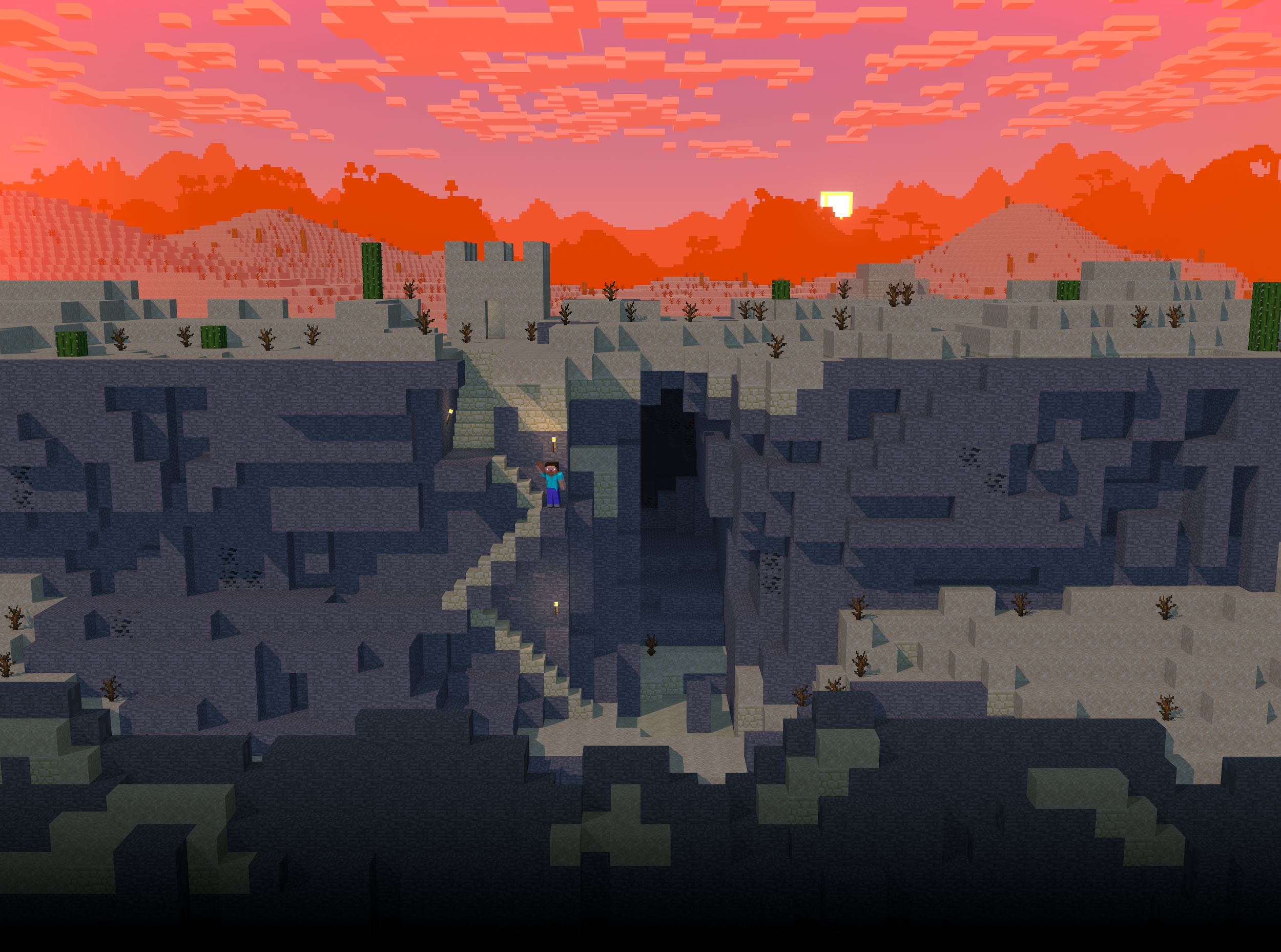
Desert / scene variation
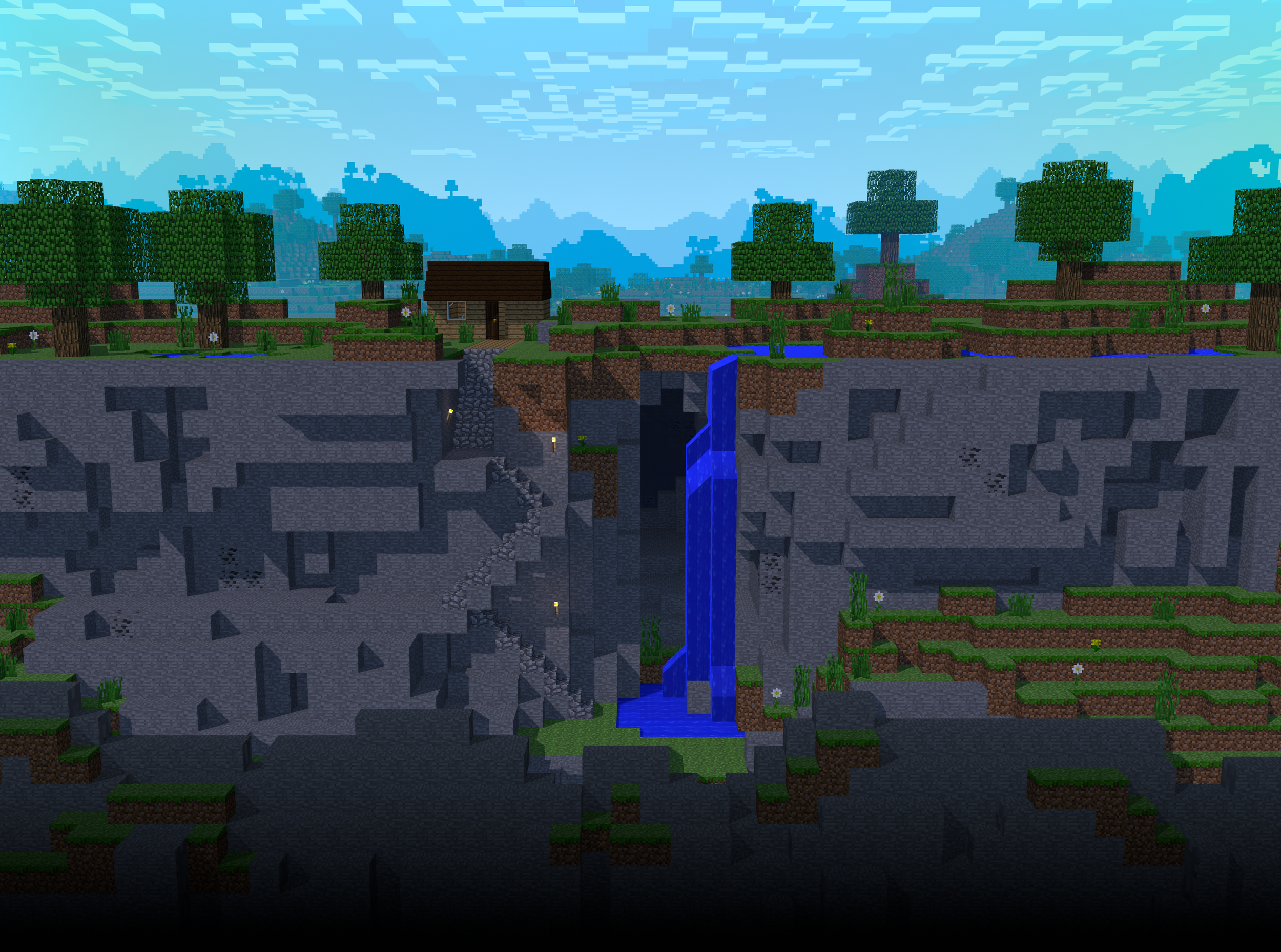
Plains / scene variation
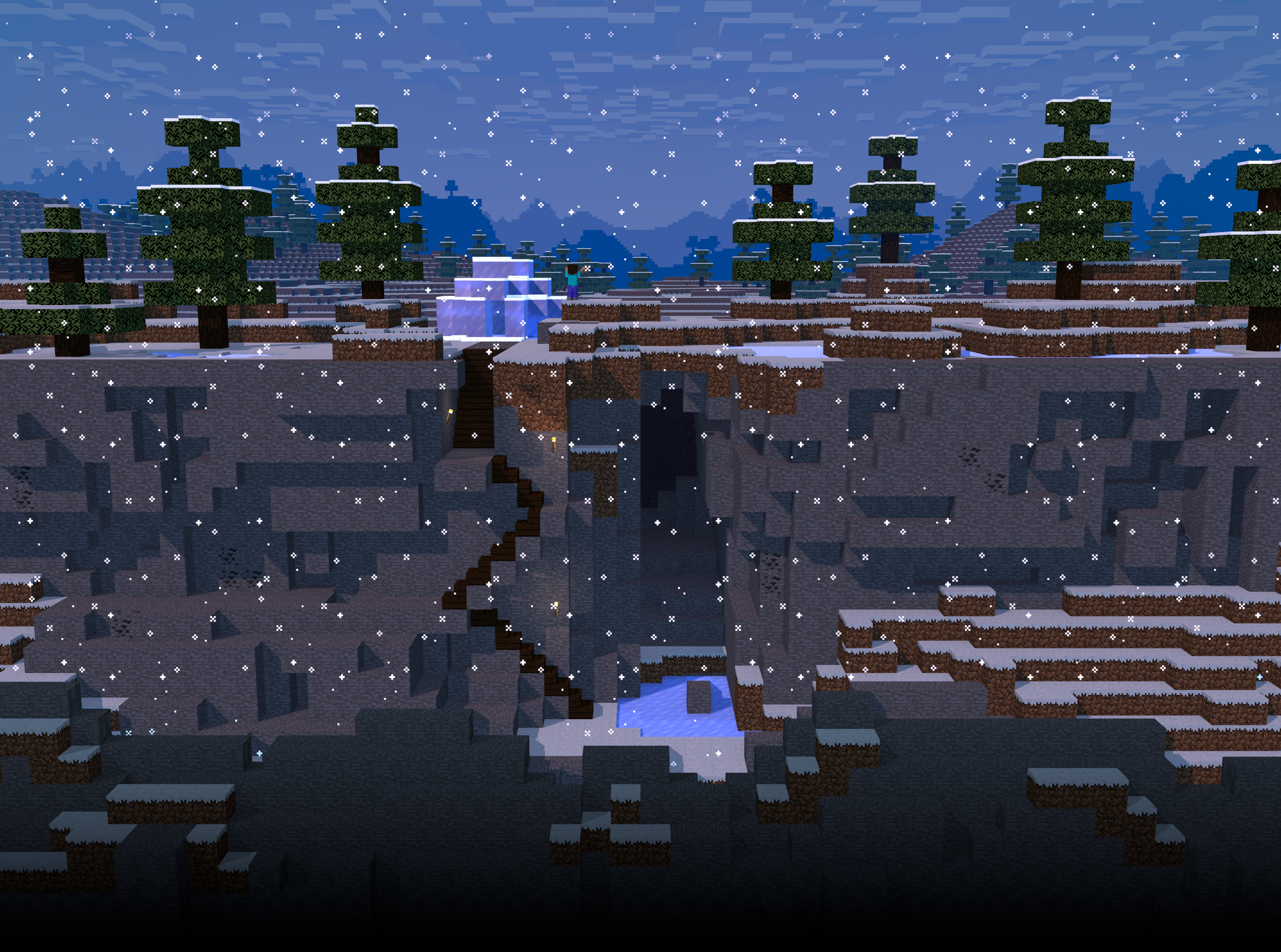
Tundra / scene variation
engagement results
4.5× as many visitors reached halfway down the page
45% reach, up from 10%
A 35 percentage-point increase at 50% scroll depth.
The new parallax hero was nearly three times taller than the previous key art. Even with that extra height, more visitors reached the Minecraft stories, products, and services further down the page.
That gave content such as Realms, Marketplace, and news millions more chances to be seen.


curiosity carries into consideration
In A/B testing, traffic from the Minecraft product marketing page to the Vanilla product detail page increased 18%.
Applied to the annual traffic baseline, that lift projected to 3.2 million additional product-page visitors per year. This was a projection, not a measured annual total.
what I took forward
This project showed me how much the first scene can do. A glimpse of Minecraft’s world gave visitors a reason to explore before they reached the product details.
Keeping that invitation intact on smaller screens took as much care as the desktop composition. The framing and motion could change, but each version still needed to feel like stepping into Minecraft.
Projects
minecraft.net redesign

minecraft dungeons ii launch
minecraft 15th anniversary
minecraft marketplace redesign
minecraft.net purchase redesign
minecoins on web

minecraft dynamic hero
tooder

warlocks

voice of the theater
pupil implements

screen prints

voyager ii

cpu-2

voyager i